Healthcare facilities today navigate complex decisions when upgrading or expanding their diagnostic capabilities. Moreover, selecting the appropriate equipment directly impacts patient care, operational efficiency, and long-term success. As a purchasing specialist with extensive experience supporting hospitals, clinics, and private practices in acquiring automated clinical X-ray machines, I have guided numerous clients through this process. Therefore, understanding key factors ensures you make informed choices that align with your specific needs.
Digital X ray system options now dominate modern facilities because they deliver superior speed and image quality. Furthermore, advances in medical imaging equipment selection help providers match technology precisely to their workflows.
Understanding Your Facility’s Needs Before Purchasing
Every decision begins with a thorough assessment of clinical requirements. In addition, facilities must evaluate patient volume, types of examinations, and available space. For instance, high-volume hospitals often prioritize robust systems that handle continuous use without overheating. Consequently, radiology equipment buying guide principles emphasize starting with these fundamentals.
Moreover, consider the specialties your team serves. Orthopedic clinics might focus on detailed bone imaging, while general hospitals require versatile solutions for chest, abdomen, and extremity exams. Therefore, mapping these needs prevents over- or under-investment in radiography equipment.
Key Factors to Consider When Buying an X Ray Machine
Several critical elements influence the final selection. Furthermore, healthcare facility equipment planning involves balancing performance, usability, and future scalability.
First, determine the required power output and generator type. High-frequency generators provide consistent exposure across varied patient sizes. Additionally, detector technology plays a vital role in image clarity. Modern flat-panel detectors capture high-resolution visuals with lower radiation doses.
In addition, integration with existing PACS and RIS systems streamlines workflows. As a result, teams access images instantly across departments. Moreover, user-friendly interfaces reduce training time for technologists and minimize errors.
Types of Medical X Ray Machine Solutions Available
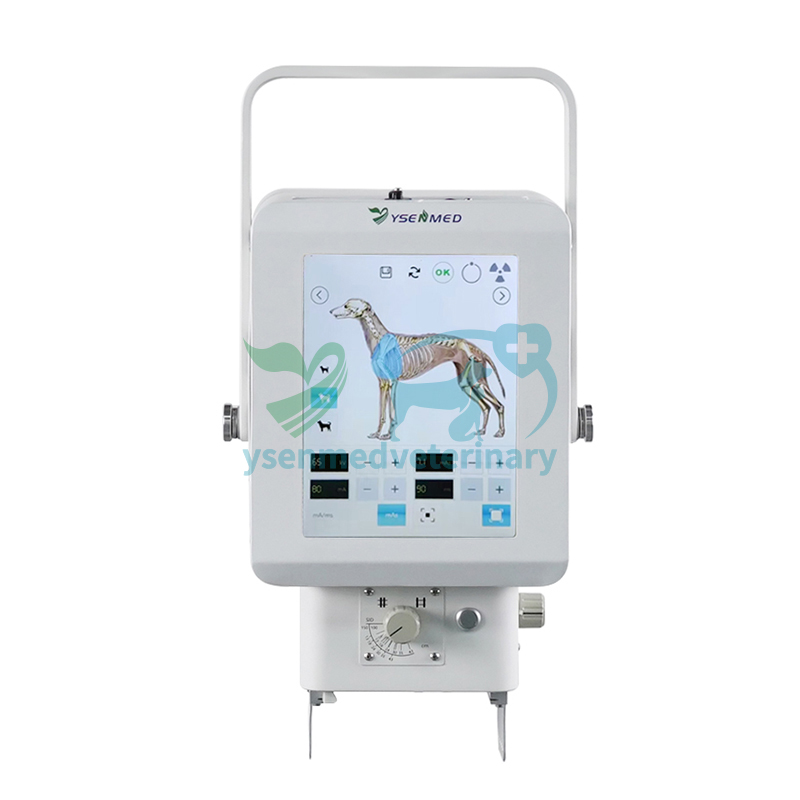
Facilities choose among several configurations based on their operational model. Portable models excel in emergency departments and bedside imaging. On the other hand, fixed installations suit dedicated radiology suites. Furthermore, mobile units offer a middle ground for facilities needing flexibility within the building.
X ray machine versatility continues to expand, giving providers more options than ever before. Therefore, matching the type to daily demands ensures optimal performance.
Portable vs Fixed X Ray Machine: Which Is Better?
Many administrators ask: portable vs fixed X ray machine which is better? The answer depends on your environment. Portable units provide exceptional mobility, allowing imaging directly at the patient’s location. Moreover, they require minimal infrastructure and suit smaller clinics or field operations.
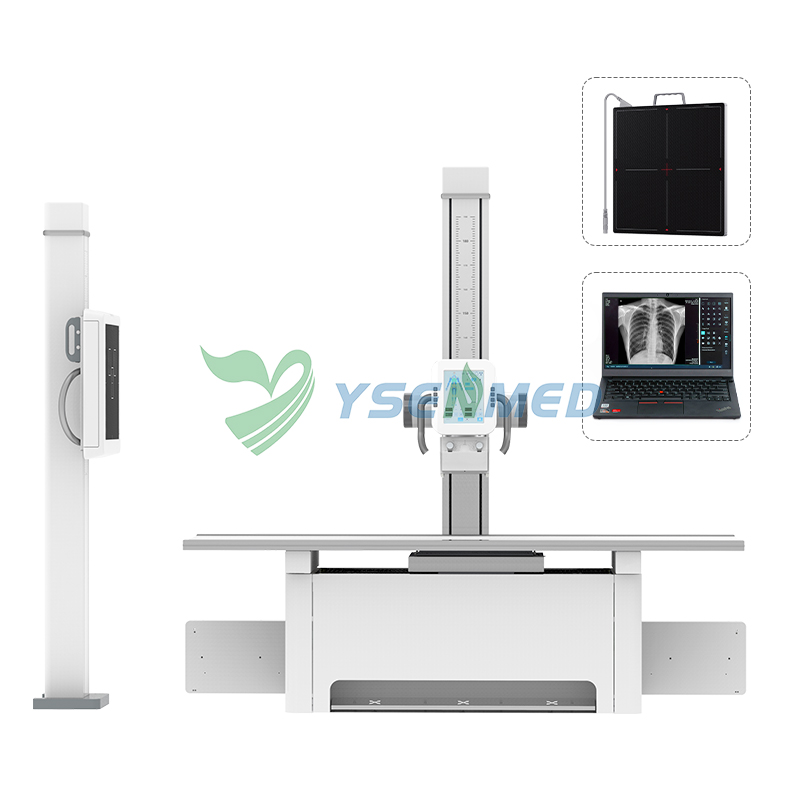
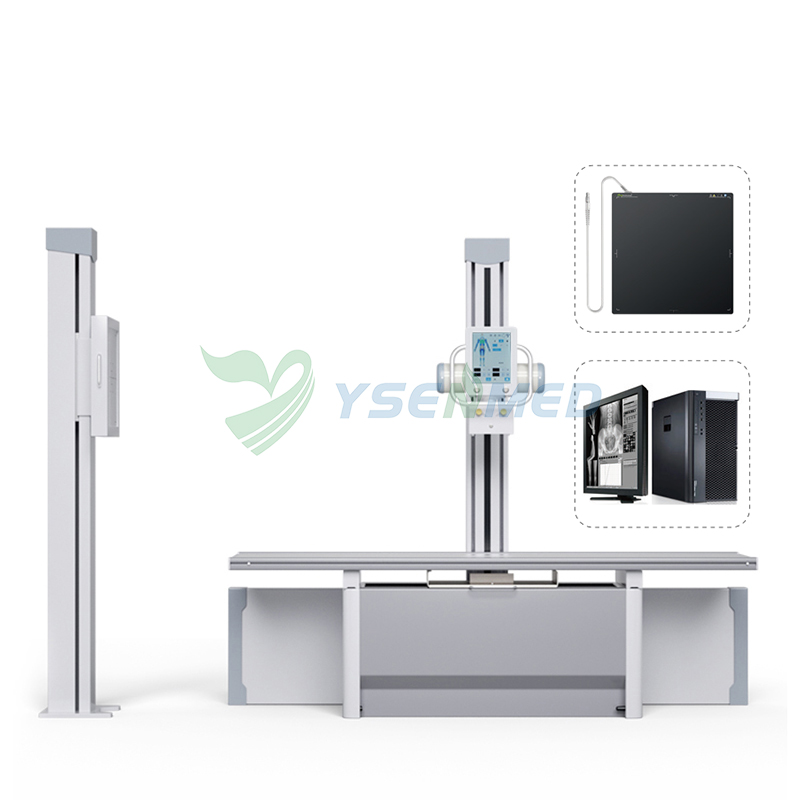
Fixed systems, however, deliver higher power and superior image consistency for high-throughput settings. In addition, they support advanced features like automatic exposure control. Consequently, larger hospitals often combine both types to maximize capabilities. Therefore, evaluate your space constraints and patient mobility before deciding.
Essential X Ray Machine Features and Specifications
Smart buyers scrutinize technical details carefully. Furthermore, detector size, pixel pitch, and DQE (detective quantum efficiency) determine overall performance. Higher DQE means better image quality at lower doses. Additionally, tube heat capacity affects how many exams the system can handle consecutively.
Moreover, post-processing software enhances diagnostic accuracy through contrast adjustment and edge enhancement. As a result, radiologists identify subtle pathologies more confidently. Radiation safety features, such as collimation and dose monitoring, protect patients and staff alike.
Diagnostic X Ray Machine Considerations for Different Facility Sizes
Small clinics benefit from compact, multifunctional units that fit limited spaces. In contrast, large hospitals require scalable hospital X ray machine installations with robust networking. Furthermore, pediatric or orthopedic-focused facilities prioritize specialized protocols and low-dose modes.
Additionally, consider maintenance requirements and vendor support. Reliable service contracts minimize downtime and extend equipment life. Therefore, proactive planning during procurement prevents costly surprises later.
Best X Ray Machine for Hospitals and Clinics
Determining the best X ray machine for hospitals and clinics involves aligning features with priorities. Many facilities now prefer digital solutions for their efficiency gains. Moreover, wireless detectors enhance positioning flexibility during exams.
Consequently, practices report faster throughput and improved patient satisfaction. In addition, eco-friendly designs with reduced chemical use appeal to sustainability-focused organizations.
Medical Imaging Equipment Selection Process Step by Step
Follow a structured approach for successful acquisition. First, assemble a team including radiologists, technologists, and administrators. Additionally, conduct site visits to observe systems in real-world use. Furthermore, request detailed demonstrations tailored to your case mix.
Moreover, review compliance with regulatory standards and radiation safety guidelines. As a result, you avoid future compliance issues. Therefore, thorough evaluation leads to confident decisions.
Radiology Equipment Buying Guide: Long-Term Value Focus
X ray machine buying guide for healthcare providers stresses total cost of ownership over initial considerations. In addition, factor in energy consumption, parts availability, and upgrade paths. Moreover, choose manufacturers with strong training programs and responsive technical support.
Furthermore, scalable designs allow future expansions without full replacements. Consequently, facilities protect their investment for years ahead.
Ysenmed: Reliable Medical Imaging Solutions for Modern Facilities
X ray machine solutions from Ysenmed stand out through their focus on performance and practicality. Their medical X ray machine lineup includes versatile digital X ray system configurations designed for diverse clinical settings. Moreover, Ysenmed emphasizes durable construction, intuitive operation, and seamless integration that busy teams appreciate daily.
Ysenmed offers both portable and fixed radiography equipment tailored to hospital and clinic requirements. In addition, their diagnostic X ray machine models incorporate advanced detectors and user-centric features that enhance workflow efficiency. Therefore, facilities partnering with Ysenmed gain access to dependable diagnostic imaging solutions that support high-quality patient care.
Comparison Table: Portable vs Fixed X Ray Machine
| Aspect |
Portable X Ray Machine |
Fixed X Ray Machine |
| Mobility |
Excellent for bedside and field use |
Limited to dedicated room |
| Image Quality Consistency |
Good with modern detectors |
Superior due to higher power |
| Installation Requirements |
Minimal infrastructure needed |
Requires shielded room and fixed power |
| Patient Throughput |
Suitable for moderate volumes |
Ideal for high-volume departments |
| Radiation Dose Management |
Effective with dose optimization tools |
Advanced automatic controls |
| Space Utilization |
Flexible, no dedicated room |
Needs permanent installation space |
| Maintenance |
Easier transport for servicing |
More complex but often more robust |
| Best For |
Clinics, emergencies, small facilities |
Hospitals, specialized radiology suites |
This table illustrates core differences clearly. Moreover, many facilities successfully implement hybrid approaches for maximum flexibility.
Future Trends in Diagnostic Imaging Solutions
Innovation continues to shape the industry. Furthermore, AI-assisted image analysis and improved wireless connectivity enhance diagnostic speed. Additionally, lower-dose technologies and ergonomic designs improve safety and comfort. Therefore, forward-thinking providers select systems with upgrade potential.
Moreover, cloud integration supports remote consultations and better data management. As a result, facilities that plan ahead maintain competitive advantages.
Implementing Your Chosen Radiography Equipment Successfully
After selection, focus on proper installation and staff training. In addition, develop protocols that maximize equipment utilization while ensuring safety. Furthermore, schedule regular preventive maintenance to sustain performance levels.
Consequently, well-implemented systems deliver years of reliable service. Therefore, comprehensive planning throughout the process yields the best outcomes.
In conclusion, how to choose the right X ray machine for your facility requires careful evaluation of needs, features, and long-term goals. By considering factors to consider when buying an X ray machine and leveraging expert guidance, healthcare providers secure solutions that elevate care standards. Whether exploring portable options or fixed installations, the right medical imaging equipment selection transforms diagnostic capabilities. Ysenmed supports these efforts with innovative radiography equipment built for real-world clinical demands. Facilities that invest thoughtfully today position themselves for sustained success in delivering exceptional patient outcomes.