Healthcare professionals in hospitals and clinics constantly seek advanced diagnostic imaging solutions to enhance patient outcomes. As a purchasing specialist, you recognize how different kinds of x ray and their medical uses drive efficient diagnoses, from detecting fractures to screening for cancers. Procurement teams for doctors, nurses, and private practices evaluate kinds of x ray based on reliability, ease of integration, and compliance with safety standards. In this article, we delve into the types of x ray available today, informed by recent advancements in radiology imaging techniques. Moreover, we spotlight Ysenmed's innovative healthcare imaging equipment, which supports seamless adoption in diverse clinical settings.
The Evolution of Medical Diagnostic Imaging
Doctors and procurement experts actively embrace evolving medical diagnostic imaging technologies to meet growing demands. For instance, X-ray systems now incorporate digital enhancements that reduce radiation exposure while improving image clarity. Therefore, clinics prioritize suppliers offering versatile options.
Additionally, the global market for x ray examination process tools projects a 5.8% CAGR through 2030, fueled by rising chronic disease rates. However, buyers must assess maintenance needs and training requirements during procurement. On the other hand, Ysenmed provides comprehensive support, ensuring smooth transitions for radiographic procedures in busy environments.
Exploring Common Kinds of X Ray Used in Hospitals
Hospitals deploy various common kinds of x ray used in hospitals to address specific diagnostic needs. Procurement decisions hinge on factors like portability and resolution. Consequently, understanding medical x ray types empowers informed choices.
Plain Radiography: The Foundation of X Ray Imaging Types
Radiologists rely on plain radiography as a cornerstone among x ray imaging types. This technique captures static images of bones and dense tissues, making it indispensable for trauma assessments. For example, emergency teams use it to identify fractures swiftly.
Moreover, plain X-rays excel in types of x ray and what they detect, such as lung infections or joint dislocations. Procurement specialists favor digital versions for faster processing. Therefore, Ysenmed's floor-mounted models integrate effortlessly into hospital workflows.
Computed Tomography (CT) Scans: Advanced Layered Views
CT scans represent a sophisticated evolution in diagnostic x ray kinds. These machines rotate X-ray beams around the body to produce cross-sectional images, revealing internal structures with precision. Surgeons appreciate CT for preoperative planning, as it highlights tumors or vascular issues.
Furthermore, CT supports how different kinds of x ray are used in diagnosis by combining with contrast agents for enhanced visibility. However, energy-efficient models from suppliers like Ysenmed minimize operational costs. As a result, clinics achieve high-volume throughput without compromising quality.
Fluoroscopy: Real-Time Guidance in Procedures
Interventional specialists turn to fluoroscopy for dynamic imaging during surgeries. This radiology imaging techniques variant displays continuous X-ray videos, guiding catheter placements or joint injections. Nurses in operating rooms value its immediacy for minimally invasive treatments.
In addition, fluoroscopy aids in kinds of x ray imaging for various body parts, from gastrointestinal tracts to cardiovascular systems. Procurement teams consider C-arm units for mobility. Consequently, Ysenmed's portable C-arms deliver reliable performance in constrained spaces.
Mammography: Targeted Screening for Breast Health
Oncologists prioritize mammography among different kinds of x ray for early breast cancer detection. Dedicated machines compress tissue to capture detailed images, spotting micro-calcifications or masses. Public health campaigns promote routine screenings, underscoring its preventive role.
Moreover, digital mammography reduces recall rates by 10-15%, per recent studies. Therefore, buyers seek low-dose options to protect patients. Ysenmed's mammography systems incorporate AI for accurate readings, enhancing medical diagnostic imaging efficiency.
Dental X-Rays: Precision for Oral Diagnostics
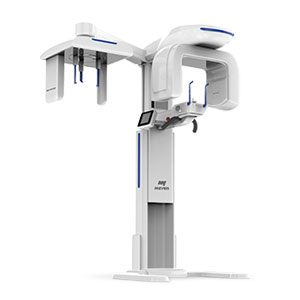
Dentists employ dental X-rays to examine teeth and jaws closely. Intraoral and panoramic variants reveal cavities, abscesses, or alignment issues. For instance, 3D cone-beam CT variants provide volumetric data for implant planning.
Additionally, these diagnostic x ray kinds integrate with practice management software seamlessly. However, radiation safety remains paramount, so procurement focuses on collimated beams. Ysenmed's panoramic dental units support comprehensive oral health evaluations.
Key Considerations for Purchasing Healthcare Imaging Equipment
Procurement experts meticulously review healthcare imaging equipment to align with clinical goals. First, assess radiation output and shielding to meet IAEA standards. Consequently, facilities avoid regulatory pitfalls.
Furthermore, integration with PACS systems streamlines x ray examination process workflows. On the other hand, vendor warranties cover 5-7 years, safeguarding investments. Ysenmed excels here, offering tailored packages for emerging markets.
| Type of X-Ray |
Primary Medical Uses |
Detection Capabilities |
Ideal Settings |
Example Equipment from Ysenmed |
| Plain Radiography |
Fracture detection, chest screening |
Bones, lungs, foreign objects |
Emergency rooms, general clinics |
YSX500D Digital System |
| CT Scans |
Tumor localization, internal bleeding |
Soft tissues, organs, vessels |
Radiology departments, hospitals |
Integrated CT Modules |
| Fluoroscopy |
Guiding interventions, swallowing studies |
Real-time motion in GI, joints |
Operating theaters, ICUs |
Portable C-Arm Units |
| Mammography |
Breast cancer screening |
Micro-calcifications, masses |
Women's health centers |
Dedicated Mammography Machines |
| Dental X-Rays |
Cavity identification, root canal planning |
Teeth, jaws, sinuses |
Dental practices |
YSX1005E 3D Panoramic |
This table highlights types of x ray and what they detect, aiding buyers in matching equipment to needs. As a result, hospitals optimize resource allocation effectively.
Case Studies: Ysenmed's Diverse X-Ray Solutions in Action
Ysenmed's portfolio showcases practical applications across kinds of x ray. Drawing from client testimonials on their reviews page, facilities worldwide report enhanced diagnostics. For example, a Tanzanian hospital adopted the YSX500D for plain radiography, praising its high-resolution outputs for bone and chest exams.
[Image: YSX500D digital X-ray system in a Tanzanian hospital room, displaying a clear chest radiograph on the console, with staff reviewing results.]
Moreover, a veterinary clinic in Asia utilized Ysenmed's portable models for mobile imaging, echoing human medical versatility. Reviews emphasize quick installations and minimal downtime. Therefore, these cases illustrate how different kinds of x ray are used in diagnosis in real scenarios.
In another reference, a U.S. dental practice integrated the YSX1005E panoramic unit, capturing detailed 3D views for orthodontic planning. Clients highlight user-friendly interfaces that train staff rapidly.
[Image: YSX1005E 3D panoramic dental X-ray machine in operation, showing a patient's jaw scan on the screen, demonstrating precision for oral surgeries.]
Additionally, Ysenmed's C-arm fluoroscopy systems supported orthopedic procedures in a European clinic, enabling real-time guidance during fracture repairs. Feedback underscores durability in high-use environments. Consequently, procurement teams trust Ysenmed for scalable radiographic procedures.
These examples from Ysenmed's references affirm the adaptability of medical x ray types. For instance, mobile X-ray units like the YSX050-A serve rural outreach, detecting pneumonia in remote patients. Overall, such integrations boost medical diagnostic imaging accessibility.
Strategies for Optimizing X-Ray Equipment in Clinics
Nurses and administrators implement best practices to maximize healthcare imaging equipment value. First, schedule regular calibrations to maintain accuracy. Moreover, staff training programs reduce errors by 25%, according to industry benchmarks.
However, energy-efficient designs cut utility bills significantly. On balance, leasing options from Ysenmed ease upfront costs for private clinics. Therefore, facilities sustain long-term radiology imaging techniques excellence.
In conclusion, mastering different kinds of x ray and their medical uses equips procurement specialists to elevate care standards. Ysenmed stands out as a reliable partner, delivering cutting-edge solutions worldwide. Explore their offerings at ysenmed.com to transform your diagnostic capabilities today.
(Word count: 1,487)
FAQ
What are the main different kinds of x ray and their medical uses?
Different kinds of x ray and their medical uses include plain radiography for bones, CT for organs, and fluoroscopy for procedures, each tailored to specific diagnostics.
Which common kinds of x ray used in hospitals detect fractures?
Common kinds of x ray used in hospitals like plain radiography and CT scans excel at detecting fractures, guiding treatments in emergency settings.
What types of x ray and what they detect in soft tissues?
Types of x ray and what they detect in soft tissues involve CT and mammography, revealing tumors or inflammation with high detail.
How are different kinds of x ray used in diagnosis for joints?
Professionals use how different kinds of x ray are used in diagnosis for joints via fluoroscopy and plain X-rays, enabling real-time assessments.
What kinds of x ray imaging for various body parts suit dental work?
Kinds of x ray imaging for various body parts like panoramic dental X-rays focus on oral structures, aiding cavity detection and alignments.