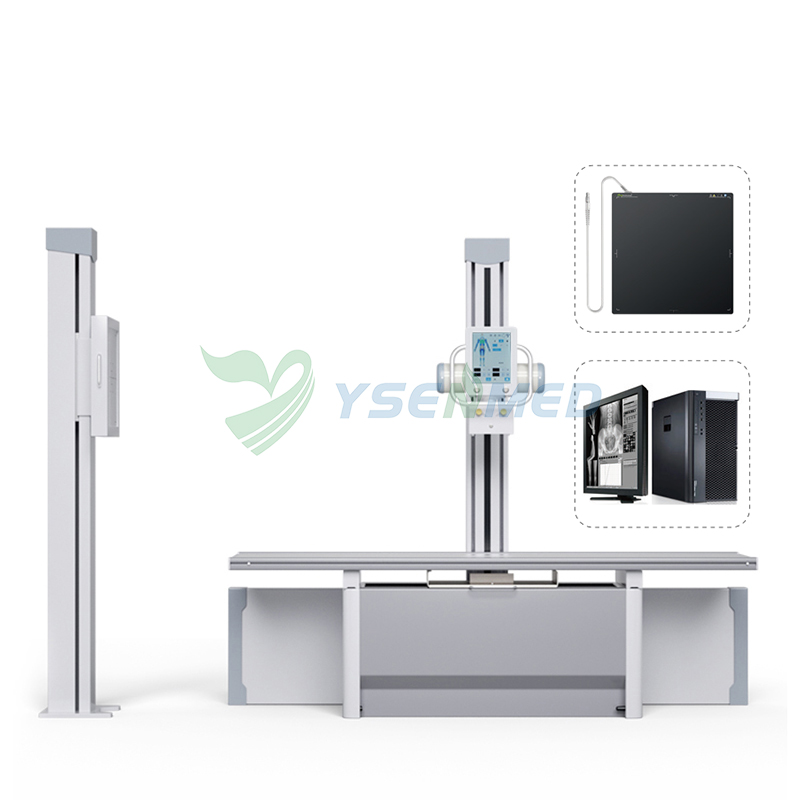
Hospital procurement teams, radiology directors, and clinic administrators regularly face important decisions when acquiring new imaging equipment. A well-chosen x ray machine can significantly improve diagnostic speed, patient safety, and departmental efficiency. This comprehensive X ray machine procurement guide for healthcare providers outlines the key steps, critical factors, and practical strategies that help hospitals and clinics select the right medical X ray machine for their specific needs. Moreover, suppliers like Ysenmed support healthcare facilities with reliable hospital X ray system solutions and professional guidance throughout the procurement process.
Why a Structured Procurement Process Is Essential
Purchasing a diagnostic X ray equipment is a major capital decision that affects clinical workflows for the next 10–15 years. Without a clear process, facilities risk choosing systems that are either over-specified (and unnecessarily expensive) or under-specified (and quickly outdated).
Additionally, modern healthcare demands more than basic image capture. Today’s digital X ray machine must integrate seamlessly with PACS, RIS, and EHR systems, support dose optimization, and provide reliable uptime. However, many procurement teams focus only on initial specifications and overlook long-term service, training, and upgrade considerations. Therefore, a structured radiology equipment buying guide approach helps balance clinical requirements with operational and financial realities.
Furthermore, regulatory compliance, accreditation standards, and radiation safety guidelines continue to tighten. Facilities that follow a disciplined procurement process reduce compliance risks and simplify future audits. Consequently, investing time in proper planning leads to better outcomes and stronger hospital equipment investment strategy.
Step-by-Step X Ray Machine Procurement Guide
Follow this proven framework to make informed decisions when buying a radiography machine.
1. Define Clinical and Operational Needs
Begin by mapping current and projected examination volumes, specialty mix (general radiography, orthopedics, chest, trauma, etc.), and patient demographics. Document space constraints, power capacity, shielding status, and existing IT infrastructure.
Moreover, involve key stakeholders—radiologists, senior technologists, biomedical engineers, and finance—from the beginning. Their input ensures the selected medical X ray machine truly supports daily workflows. Therefore, a clear needs assessment prevents over- or under-specification.
2. Establish Evaluation Criteria
Create a weighted scoring matrix that reflects your facility’s priorities. Common categories include:
- Image quality and dose performance
- System reliability and uptime
- Ease of use and training requirements
- Service support and parts availability
- Integration with existing systems
- Lifecycle support and upgrade potential
Additionally, assign realistic weights based on your institution’s size and focus. For example, high-volume hospitals may prioritize throughput and integration, while smaller clinics may emphasize portability and simplicity. Consequently, a customized matrix keeps the evaluation objective and aligned with actual needs.
3. Research and Shortlist Manufacturers
Identify X ray machine manufacturers that offer systems matching your requirements. Look for manufacturers with proven track records in hospitals and clinics, strong regulatory compliance (CE, ISO), and positive reference feedback.
Moreover, request detailed technical specifications, sample service level agreements, and lists of reference sites. However, do not rely solely on brochures. Arrange live demonstrations and site visits to see the equipment in real clinical settings. Therefore, first-hand experience provides far more insight than specifications alone.
4. Evaluate Total Cost of Ownership
While initial acquisition cost is important, the true expense includes installation, training, maintenance, spare parts, software updates, and potential upgrades over the system’s lifetime.
Furthermore, consider hidden factors such as infrastructure modifications, electrical upgrades, and shielding requirements. A digital X ray machine with lower upfront cost but high maintenance needs may ultimately prove more expensive. Consequently, a full lifecycle cost analysis leads to better financial decisions.
5. Assess Service and Support Capabilities
Strong regional service networks and fast response times are critical for minimizing downtime. Request specific information about local field engineers, spare-parts depots, average first-time-fix rates, and remote diagnostic capabilities.
Additionally, evaluate training programs and application support. Manufacturers that provide ongoing education help staff maximize system performance. Therefore, robust service infrastructure often becomes the deciding factor in long-term satisfaction.
6. Negotiate and Finalize Contracts
Once shortlisted, negotiate comprehensive agreements covering warranty, service levels, training, spare parts, and upgrade paths. Clear terms protect the facility and set expectations for the partnership.
Moreover, include performance guarantees and escalation procedures. Consequently, a well-negotiated contract reduces future disputes and ensures ongoing support.
Ysenmed frequently assists healthcare providers through each step of this process by offering practical diagnostic X ray equipment solutions and transparent guidance tailored to different facility sizes and budgets.
Comparison Table: Key Procurement Considerations
The table below summarizes the most important factors to evaluate.
| Consideration |
Small Clinics & Private Practices |
Mid-Size Hospitals |
Large Medical Centers |
| Primary Focus |
Portability & ease of use |
Balanced performance & reliability |
High throughput & integration |
| Recommended System Type |
Portable or compact DR |
Floor-mounted or ceiling DR |
High-capacity fixed or hybrid systems |
| Key Priority |
Low maintenance & simple operation |
Strong service network |
Enterprise standardization & AI features |
| Service Expectation |
Responsive local support |
Regional parts availability |
Comprehensive technical & application support |
| Future Growth Consideration |
Modular upgrade path |
Scalable configurations |
Full PACS/RIS integration |
This comparison helps healthcare providers align their X ray machine procurement guide decisions with actual operational needs.
Implementation and Post-Installation Best Practices
Successful projects begin with collaborative site planning and thorough staff training. Moreover, phased implementation minimizes disruption in high-volume departments. Therefore, departments return to full productivity quickly while maintaining diagnostic confidence.
Furthermore, establish preventive maintenance schedules and regular quality audits. Regular detector calibration and dose reviews ensure continued performance and regulatory compliance. Consequently, well-managed installations deliver sustained improvements in image quality, safety, and operational efficiency.
In conclusion, a thoughtful X ray machine procurement guide for healthcare providers helps facilities select systems that deliver excellent diagnostic performance while supporting long-term operational and financial goals. By following a structured process and partnering with experienced manufacturers like Ysenmed, hospitals and clinics can confidently acquire the right medical X ray machine that meets both current and future healthcare demands.
FAQ
What is the most important step in an X ray machine procurement guide?
The most important step is clearly defining clinical needs and creating a weighted evaluation matrix before contacting suppliers.
How to choose the right X ray machine for hospitals and clinics?
How to choose the right X ray machine for hospitals and clinics involves assessing image quality, service support, integration capabilities, and total cost of ownership.
What factors to consider when buying an X ray machine are critical?
Key factors include detector technology, generator power, mobility, service network strength, and regulatory compliance.
Why is service support important in X ray machine purchasing?
Strong service support minimizes downtime, ensures fast parts availability, and protects daily clinical workflows.
What makes a good X ray machine buying guide for healthcare facilities?
A good X ray machine buying guide combines clinical requirements, technical evaluation, service assessment, and lifecycle planning for informed decision-making.